Quick answer: One grab bar installed usually runs $60 to $150 in 2026, and $150 to $400 if the wall is tile, stone or fiberglass or the bar is a decorative model. The bar itself is $8 to $89. Labor on a handyman marketplace averaged $50 an hour in September 2026.
Most of the price is labor, not steel. That is why quotes swing so widely for the same job.
Here is what each part costs, what pushes it up, and where the money can come from.
What you should expect to pay
What you are paying for
Three things: the bar, the anchor, and someone’s time.
The bar is cheap. A knurled steel bar from Medline or Drive costs $8 to $62. A Moen Home Care concealed-screw bar costs about $12 to $89 depending on length and finish.
The anchor is the part people skip. Under the ADA Standards, the bar, the fastener, the mounting device and the wall behind them must all resist 250 pounds of force at any point.
Time is the variable. A bar on drywall over a stud takes about an hour. A bar on a fiberglass tub surround with no backing can take a morning.
Cost per bar in September 2026
We compared list prices published by Delta Faucet, prices in the Moen store, and the published average hourly rate on TaskRabbit on September 2, 2026.
| Line Item | Detail | Cost (Sept 2026) |
|---|---|---|
| Basic steel bar | Medline or Drive knurled chrome | $8–$62 |
| Moen Home Care bar | Concealed screw, 12–42 in, 500 lb rated | $12–$89 |
| Delta decorative ADA bar | Angular Modern, 12–42 in, list price | $164–$413 |
| Labor, drywall over a stud | About 1 hour | About $50 |
| Labor, ceramic tile over a stud | 1 to 1.5 hours | $50–$75 |
| Labor, fiberglass or stone | 1.5 to 2 hours plus backing | $75–$125 |
| Labor, opening wall to add blocking | Half day, plus patch and paint | Quote only |
TaskRabbit publishes an average of $50 an hour for handyman services. Licensed contractors and accessibility specialists charge more than that, and many set a minimum service call.
For context, the Bureau of Labor Statistics puts the 2025 median wage for general maintenance and repair workers at $23.84 an hour, or $49,590 a year. A company’s billed rate covers insurance, a truck, and travel on top of the wage.
Where a grab bar goes
The height is not a matter of taste. These are the federal accessibility figures installers work to.
What pushes the price up
Tile and stone
Drilling porcelain, glass or natural stone needs a diamond bit, water, and patience. Crack a tile and the repair costs more than the bar.
Expect an installer to charge an extra half hour per bar on hard tile. Some will refuse glass tile entirely.
Fiberglass and acrylic surrounds
A one-piece tub surround is thin plastic with an air gap behind it. There is nothing to bolt into.
The fix is a rated anchor system or a backing plate. Moen sells its SecureMount system for mounting at any angle with or without studs, which is the usual answer here.
No stud where the bar belongs
Studs sit 16 inches apart. The place your hand wants a bar is rarely 16 inches on center.
The clean fix is opening the wall and screwing 2x8 blocking between the studs. That is a half-day job and it makes sense only during a remodel.
Several bars at once
Nearly every installer’s first bar costs the most, because of travel and setup. Bars two and three are cheaper. Do the whole bathroom in one visit.
Who to hire
A handyman handles drywall and standard ceramic tile fine. Ask whether they have installed grab bars before and what anchor they plan to use.
A tile setter or bathroom remodeler is the right call for stone, glass tile or a fiberglass surround.
A CAPS remodeler is a contractor certified as an Aging-in-Place Specialist. They cost more, and they are worth it if you are also widening a doorway or replacing a tub.
A plumber is only needed if the shower valve or plumbing has to move.
Get three written quotes. Ask each one to state the anchor type and the finished height in the quote.
Doing it yourself
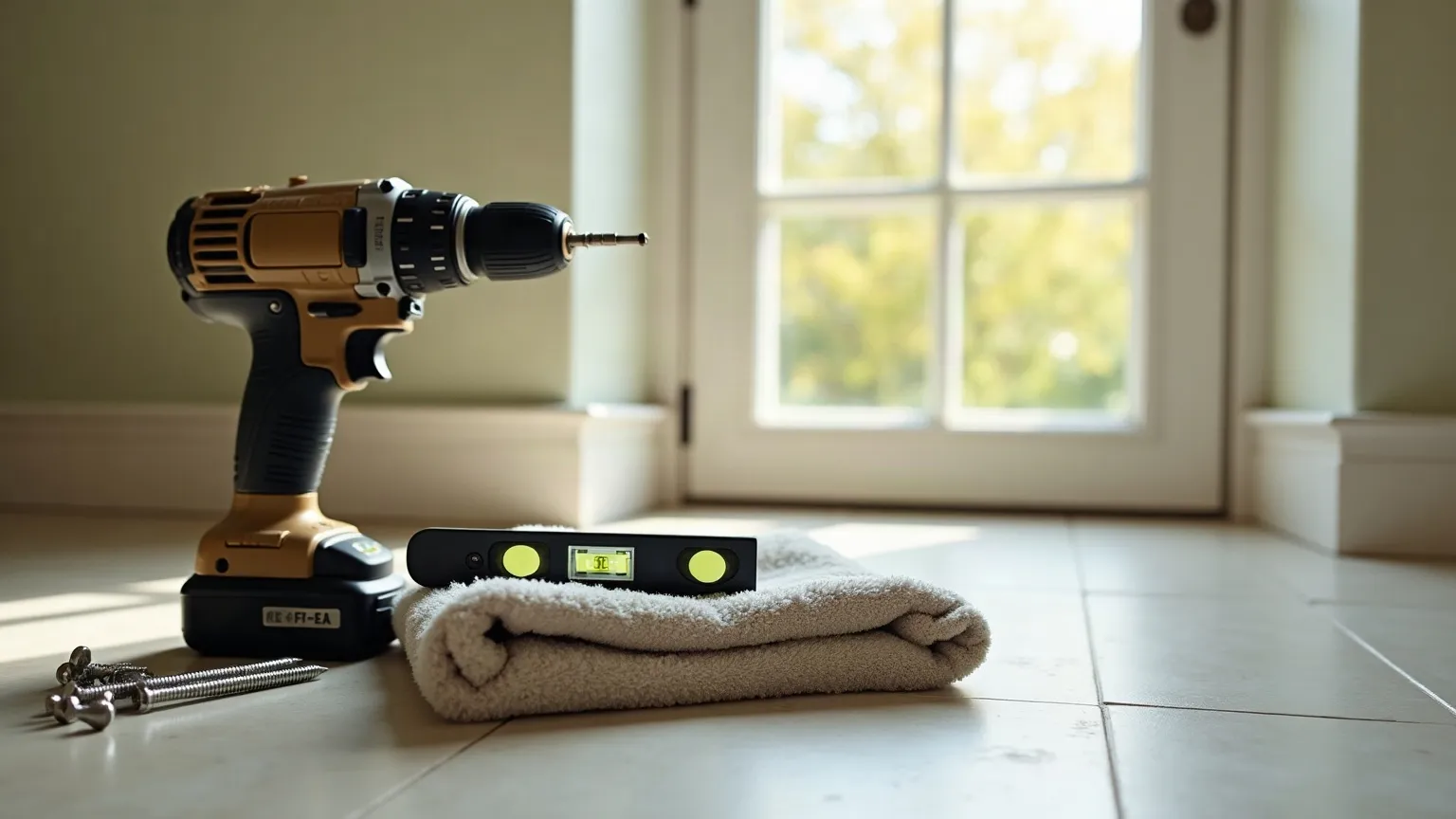
DIY is reasonable if you can find a stud, own a drill, and can test the finished bar with your full weight.
Here is the short version.
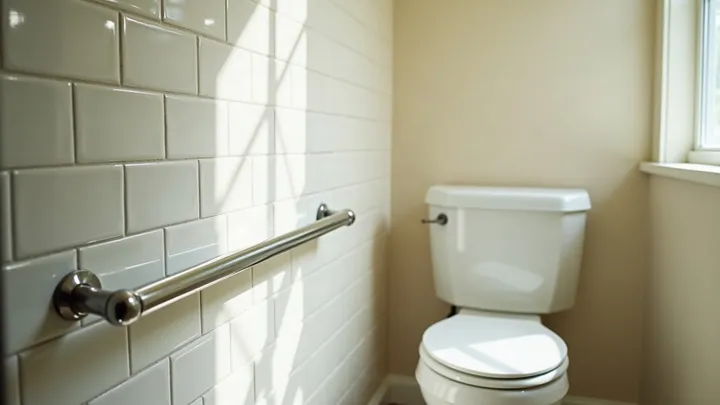
- Decide the height. Mark 33 to 36 inches above the floor at the toilet, measured to the top of the bar.
- Find the studs with a magnet or a stud finder. Confirm with a small finish nail.
- Hold the bar in place and mark every screw hole. Check the bar is level, or set at the angle you want.
- Drill pilot holes. On tile, start with a diamond bit and go slowly with water.
- Fasten with 3-inch lag screws into studs, or with the anchor system that came with the bar.
- Seal the flange to tile with silicone so water does not get behind it.
- Hang your full body weight on the bar before anyone relies on it.
Skip DIY if the wall is fiberglass, if you cannot hit a stud, or if the bathroom is on a slab with metal framing. A failed bar puts someone on the floor.
Who helps pay
Original Medicare will not. Part B covers durable medical equipment used for a medical reason in the home, such as walkers, commode chairs and hospital beds. Grab bars and home modifications are not on that list.
Veterans have a real option. The VA’s HISA benefit pays a lifetime maximum of $6,800 toward home improvements and structural alterations for a service-connected disability, or $2,000 in other qualifying cases.
Rural homeowners aged 62 and older may qualify for a USDA Section 504 grant of up to $10,000 to remove health and safety hazards, with loans of up to $40,000 at a fixed 1 percent. Grants must be repaid if the home sells within three years.
Medicaid home and community based services waivers cover environmental accessibility adaptations in many states, but the rules and the caps differ everywhere. Our guide to grants for home modifications walks through each program, and our Medicare and home modifications guide covers the plan-by-plan exceptions.
Buy the bars before the visit
Installers mark up hardware. Buying your own bars can save real money and lets you pick the finish.
Choose the models first using our guide to the best bathroom grab bars, then hand the installer a box and a plan. While the installer is there, ask about a shower seat too, since our shower chair guide covers wall-mounted models that need the same blocking.
Bottom line
Budget $60 to $150 per bar on a normal wall and $150 to $400 on tile, stone or fiberglass, with the bar itself at $8 to $89. Do the whole bathroom in one visit, because the first bar carries the setup cost. Buy your own hardware and hand it to the installer. Veterans should apply for HISA first, and rural homeowners over 62 should call USDA Rural Development before paying cash.
Frequently asked questions
How much does it cost to install a grab bar?
Plan on $60 to $150 for one bar on a drywall or tiled wall with a stud behind it. The bar itself runs $8 to $89 for a standard steel or Moen model. Labor on a handyman marketplace averaged $50 an hour in September 2026, and one straightforward bar takes about an hour.
Does Medicare pay for grab bar installation?
No. Original Medicare Part B pays only for durable medical equipment used for a medical reason in your home, such as walkers, commode chairs and hospital beds. Grab bars and home modifications are not durable medical equipment, so Part B pays nothing. Some Medicare Advantage plans include a home-safety benefit, so check with your plan.
Do grab bars have to be screwed into a stud?
Not always, but they must reach something structural. A bar and its anchors must resist 250 pounds of force under the ADA Standards. Moen sells its SecureMount system for mounting at any angle with or without studs. Plain drywall screws and plastic plugs are never enough.
Who installs grab bars?
A handyman handles most jobs. A tile setter or bathroom remodeler is better when the wall is stone, glass tile or a fiberglass surround. A Certified Aging-in-Place Specialist, or CAPS remodeler, is worth the extra cost if you are changing several rooms at once.
How long does it take to install a grab bar?
About an hour on drywall or standard ceramic tile over a stud. Add 30 to 60 minutes for hard tile, stone or a fiberglass surround that needs backing. Opening a wall to add wood blocking turns it into a half-day job, plus patching and paint.
Sources
- TaskRabbit — handyman services, published average hourly price — checked 2026-09-02
- BLS Occupational Outlook Handbook — General Maintenance and Repair Workers — checked 2026-09-02
- U.S. Access Board — ADA Standards guide, Chapter 6: Toilet Rooms — checked 2026-09-02
- Moen store — bathroom safety and grab bars — checked 2026-09-02
- Delta Faucet — bathroom grab bars, published list prices — checked 2026-09-02
- Medicare.gov — Durable medical equipment (DME) coverage — checked 2026-09-02
- VA — Home Improvements and Structural Alterations (HISA) benefit amounts — checked 2026-09-02
- USDA Rural Development — Single Family Housing Repair Loans & Grants — checked 2026-09-02